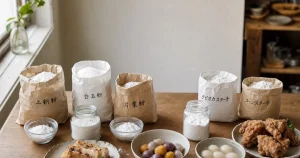
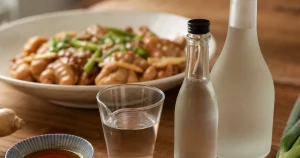
When you want to cook Taiwanese sesame oil chicken, three-cup chicken, or sesame oil noodles in Japan, the closest supermarket substitute is usually not 太白ごま油. Start with a pure sesame oil labeled 深煎り, 濃口, or sometimes 黒ごま油, with the ingredient list showing only edible sesame oil.
Taiwanese black sesame oil has a deeper roasted aroma and a heavier body than many Japanese everyday sesame oils. It stands up to old ginger, rice wine, and chicken. Japanese sesame oil can still work, but you need to choose by roast level and adjust how you cook the ginger, not just translate the name on the bottle.
Quick answer: which Japanese sesame oil is closest
My practical order in Japan is: 深煎りごま油 / 濃口ごま油 → 黒ごま油 → regular 純正ごま油 → 太白ごま油. For Taiwanese dishes, the important question is whether the oil has a deep roasted sesame aroma. The color and the word “black” help, but they are not enough by themselves.
If you are cooking three-cup chicken, sesame oil chicken, or sesame oil noodles, look for 深煎り, 濃口, and 純正. Regular Japanese sesame oil is usable, but the finished dish will taste cleaner and lighter, with less of the thick ginger-sesame warmth many Taiwanese cooks expect.
Japanese ごま油, 黒ごま油, and 太白ごま油
Japanese sesame oil labels can be confusing because the key is not only whether the sesame seed is white or black. Flavor depends on roast level, extraction, blending, and refinement. A darker roast gives a deeper color and stronger aroma, but it can also bring a slight bitter or toasted edge.
| Japanese label | General flavor | Fit for Taiwanese cooking | Best use |
|---|---|---|---|
| 純正ごま油 | Clean everyday sesame aroma, lighter than Taiwanese black sesame oil | Usable, but lighter | Vegetable stir-fries, noodles, general home cooking |
| 濃口ごま油 / 深煎りごま油 | Strong roasted aroma, darker color, thicker finish | Closest supermarket direction | Sesame oil chicken, three-cup chicken, ginger-heavy dishes |
| 黒ごま油 | Black-sesame aroma varies by brand | Can be close if deeply roasted | Use when the aroma smells warm and strong |
| 太白ごま油 | Pale, mild, little roasted aroma | Not a good main substitute | Baking, mild dressings, blending with stronger oil |
| 調合ごま油 | May be blended with other oils | Depends on ingredient list | Avoid for signature sesame-oil dishes if the aroma is weak |
For Taiwanese black sesame oil, I prefer a bottle that smells warm and roasted before it even reaches the pan. If the oil smells only clean and light, you can still cook with it, but you should expect a gentler dish.
Japan supermarket substitute table
| What you can buy in Japan | How close it feels | How to adjust | Avoid this mistake |
|---|---|---|---|
| 深煎りごま油 | Closest everyday substitute | Use about 80–100% of the Taiwanese amount | Do not burn the ginger; deep oil can turn bitter if overheated |
| 濃口ごま油 | Very close for strong dishes | Start with slightly less oil, then taste | Do not add too much at the end or the dish becomes heavy |
| 黒ごま油 | Good if the roast is deep | Smell first; use like black sesame oil if aroma is strong | Do not assume every 黒ごま油 tastes Taiwanese |
| 純正ごま油 | Acceptable but lighter | Cook ginger longer and add a little darker oil if available | Do not expect the same medicinal warmth |
| 太白ごま油 | Too mild as the main oil | Use only for blending or when you want a very light sesame note | Do not use it alone for sesame oil chicken |
How to make sesame oil chicken taste closer to Taiwan
For sesame oil chicken, the oil choice matters, but the ginger matters just as much. With Japanese sesame oil, I cook old ginger slowly over medium-low heat until the slices curl at the edges and the kitchen smells warm. This builds the “Taiwanese” base before the chicken and rice wine substitute go in.
Closest Taiwan-style direction
Use 深煎り or 濃口 sesame oil, then use a little less than the Taiwanese recipe at first. Japanese deep-roasted sesame oil can become heavy or slightly bitter if pushed too hard, so warm it with ginger instead of blasting it on high heat.
When you only have regular Japanese sesame oil
Use regular 純正ごま油, but give the ginger more time. If you have a small bottle of darker sesame oil, add 1 teaspoon near the end to deepen the aroma. This is better than pouring in too much light sesame oil and making the dish oily without making it more Taiwanese.
When the aroma still feels weak
Strengthen the cooking method before you keep adding oil: dry the chicken surface, brown the ginger edges, add the chicken skin-side down if using pieces with skin, and let the rice wine or sake steam into the pan after the chicken has contact with the oil.
Three-cup chicken, sesame noodles, and stir-fries
For three-cup chicken, use deep-roasted sesame oil as the opening aroma, not as the whole sauce. Ginger, garlic, basil, soy sauce, and rice wine substitute will also carry the dish. If your sesame oil is very strong, reduce the starting amount slightly and finish with basil instead of more oil.
For Taiwanese sesame oil noodles or mee sua, a lighter Japanese sesame oil can work if the dish is meant to be simple and comforting. If you want a postpartum-style or winter-style sesame warmth, choose 濃口 or 深煎り and let ginger lead the flavor.
For quick stir-fries, regular 純正ごま油 is fine. You do not need your strongest roasted oil for every plate of greens. Save the deep oil for dishes where sesame oil is the identity of the dish.
Four label checks before you buy
- Roast words: 深煎り, 濃口, 焙煎, 香り強め are useful signals.
- Purity: 純正ごま油 or an ingredient list with only 食用ごま油 is safer for Taiwanese dishes.
- 太白: 太白ごま油 means pale, mild sesame oil. It is not the same role as Taiwanese black sesame oil.
- Aroma: if you can smell the bottle or have tried the brand before, trust the roasted aroma more than the color alone.
If you only want one bottle for Taiwanese cooking in Japan, buy a deep-roasted pure sesame oil. If you cook both Japanese and Taiwanese food often, keep one regular sesame oil for light dishes and one deep-roasted bottle for sesame oil chicken, three-cup chicken, and ginger-heavy recipes.
FAQ
Choose a pure sesame oil labeled 深煎りごま油 or 濃口ごま油 first. If you find 黒ごま油 with a deep roasted aroma, that can also work. The key is roast depth and a clean sesame-only ingredient list, not just the word black on the label.
I would not use it as the main oil for sesame oil chicken. 太白ごま油 is light, pale, and mild, so the dish will lose the warm roasted sesame aroma. Use it only to soften a very strong sesame oil, not to replace Taiwanese black sesame oil by itself.
Not always. Some Japanese black sesame oils taste cleaner and lighter than Taiwanese black sesame oil. Smell the bottle if possible, check whether it is roasted, and use ginger slowly to build more depth in the pan.
Use slightly less oil than the Taiwanese recipe at first, cook old ginger slowly until the edges curl and the aroma deepens, then add chicken. If the oil is too light, add a small spoon of darker roasted sesame oil near the end.
Calm practical ending
You do not need a perfect Taiwanese bottle before you can cook Taiwanese sesame-oil dishes in Japan. Choose the deepest pure sesame oil you can find, avoid relying on 太白ごま油 for strong dishes, and let ginger build the warmth slowly. The dish may taste a little cleaner than the Taiwan version, but it will still land in the right home-cooking direction.
Notes and practical reference
- Japanese sesame oil package labels and common supermarket categories such as 純正ごま油, 濃口ごま油, 深煎りごま油, 黒ごま油, and 太白ごま油.
- Taiwanese home-cooking use of black sesame oil in sesame oil chicken, three-cup chicken, sesame oil noodles, and ginger-heavy dishes.
- ShinraCooking kitchen tests comparing Japanese deep-roasted sesame oil with Taiwanese black sesame oil in home-style dishes cooked in Japan.