Stir-fried cabbage is one of the most iconic everyday dishes in Taiwanese home cooking — simple, fast, and deeply satisfying when done right. But if you’ve ever tried to recreate it at home in Japan and ended up with a soggy, watery pile instead of that gorgeous crispy result you get at a Taiwanese fast-stir-fry diner, you’re not alone. The gap between restaurant-quality and home-cooked stir fry cabbage is real — and it comes down to a few specific mistakes that are surprisingly easy to fix.
📋 In This Article
Why Does Stir-Fried Cabbage Turn Soggy?
Before we get into the tips, let’s diagnose the problem. There are three culprits behind limp, waterlogged stir fry cabbage — and most home cooks are making at least one of them.
1. Your Pan Isn’t Hot Enough
This is the number one reason. If you add cabbage to a pan that isn’t screaming hot, the cabbage doesn’t sear — it steams. The moisture inside the leaves has nowhere to escape, so it pools in the pan and you’re essentially braising your cabbage in its own juice. The fix: always preheat your pan until you see a faint wisp of smoke before adding oil.
2. You Added Salt Too Early
Salt draws moisture out of vegetables through osmosis. If you season at the beginning of cooking, the cabbage releases water into the pan before it has a chance to get any color or texture. Add salt (and any soy sauce) only in the final 30 seconds.
3. You Added Leaves and Stems at the Same Time
Cabbage stems (the thick white ribs) need more time to cook than the leafy green parts. If you throw everything in together, by the time the stems are tender, the leaves are already overcooked and mushy. The solution is simple: add stems first, cook for about 30 seconds, then add the leaves.
Which Cabbage to Buy in Japan (Seasonal Guide)
If you’re shopping at a Japanese supermarket, you’ll notice the cabbage changes throughout the year — and not all of them are equally good for stir-frying. Here’s a quick cheat sheet:
| Variety | Season | Texture | Good for Stir-Fry? |
|---|---|---|---|
| 春キャベツ (Haru kyabetsu) | March – May | Soft, tender, high water content | ❌ Skip — too much moisture |
| 冬キャベツ (Fuyu kyabetsu) | November – February | Dense, firm, tightly packed leaves | ✅ Best choice for stir-fry |
| 夏秋キャベツ (Natsuaki kyabetsu) | June – October | Medium density, balanced moisture | ✅ Works well |
| 紫キャベツ (Murasaki kyabetsu) | Year-round | Crunchy but turns grayish-purple when cooked | ⚠️ Better raw in salads |
Quick tip: Pick up the cabbage and squeeze it gently. The denser and heavier it feels for its size, the better it will hold up in the wok.
6 Tips for Perfectly Crispy Stir Fry Cabbage
These are the actual techniques that Taiwanese home cooks use — passed down in kitchens, not culinary schools. They’re small adjustments that make a big difference.
Tip 1: Tear the Cabbage by Hand, Don’t Cut It
Tearing cabbage creates rough, jagged edges that have more surface area than knife-cut pieces. More surface area means more contact with the hot pan, better browning, and more flavor absorbed from the garlic oil. Aim for palm-sized pieces — big enough that they don’t wilt instantly, small enough to eat in two bites.
Tip 2: Separate the Stems and Leaves Before Cooking
After tearing, sort your cabbage into two piles: thick stems and leafy parts. Add the stems to the hot pan first. Let them cook for about 30 seconds, tossing constantly, before adding the leaves. This way, everything reaches the right doneness at the same time.
Tip 3: Heat the Pan Until You See Smoke
Preheat your pan over high heat until you see just a faint wisp of smoke rising from the surface. Then add oil and swirl immediately. This is the foundational step for any proper stir-fry. No smoke = not hot enough = soggy cabbage.
Tip 4: Bloom the Garlic First
Add your sliced or minced garlic to the oil before the cabbage. Give it 15–20 seconds until it turns golden and fragrant — this infuses the oil with flavor that will coat every piece of cabbage. Don’t let it burn, then immediately follow with the cabbage stems.
Tip 5: Season at the Very End
Hold off on salt, soy sauce, or oyster sauce until the cabbage is nearly done — about 30 seconds before you plate it. Seasoning late keeps the moisture locked inside the cabbage and prevents the pan from flooding with liquid.
Tip 6: Pull It Off the Heat While Still Slightly Underdone
Residual heat continues cooking the cabbage even after it leaves the pan. Take it off the heat when the leaves are bright green and the stems still have a slight bite — they’ll finish cooking on the plate.
4 Easy Variations to Level Up Your Cabbage
Once you’ve mastered the basic stir fry cabbage, try these popular Taiwanese variations. Same technique, different add-ins:
- Bacon & Cabbage: Render sliced bacon first until the fat releases and edges are slightly crispy, then use that rendered fat as your cooking oil. The smoky pork fat takes this dish to another level.
- Dried Shrimp & Cabbage: Add a tablespoon of dried sakura shrimp (桜えび, available at Japanese supermarkets) right after the garlic. They fry up crispy and add a deep umami punch.
- Spicy Garlic Cabbage: Add 1–2 dried red chilies or a teaspoon of doubanjiang (豆瓣醬) with the garlic. Finish with a splash of rice vinegar for brightness.
- Oyster Sauce Cabbage: Replace salt with 1 tablespoon of oyster sauce added at the very end. Rich, glossy, and deeply savory — perfect alongside plain white rice.
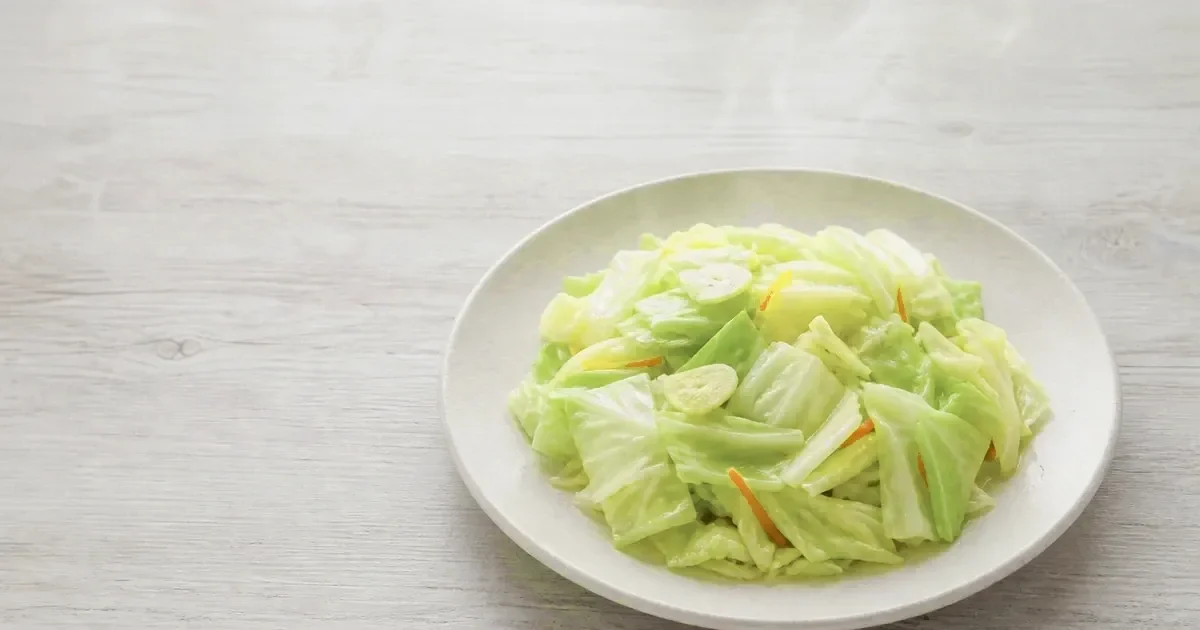
Recipe: Taiwanese Garlic Stir-Fried Cabbage
Ingredients
Equipment
Method
- Tear the cabbage into large pieces by hand (not cut — torn edges absorb flavor better). Wash and shake off most of the water, leaving a little moisture.
- Heat the pan and oil over medium-high heat. Add garlic and dried chillies. Stir-fry until garlic turns light golden.
- Add the cabbage and immediately crank to high heat. Toss continuously, ensuring the leaves get even contact with the hot pan.
- Add salt and sugar (or chicken powder). Keep tossing for 3–4 minutes until the cabbage softens slightly but still has a satisfying crunch. Serve immediately.
Notes
- Always tear the cabbage by hand — the rough edges hold oil and flavor better than knife-cut pieces.
- Keep the heat high throughout. Low heat causes the cabbage to steam and go limp.
- A splash of oyster sauce instead of plain salt adds extra savory sweetness.
- Add a strip of bacon or a handful of dried shrimp for a serious umami boost.
- If you like it crunchier, reduce the stir-fry time and pull it while still bright green.
Crispy stir fry cabbage isn’t a restaurant secret — it’s a matter of technique. Hot pan, hand-torn pieces, stems before leaves, salt at the end, and off the heat a little early. Once you internalize these six steps, this dish takes about 15 minutes start to finish and works alongside almost any main. It’s the kind of everyday vegetable side that makes a simple bowl of rice feel like a complete meal. Give it a try this week with whatever cabbage is in season at your local supermarket.